
Introduction
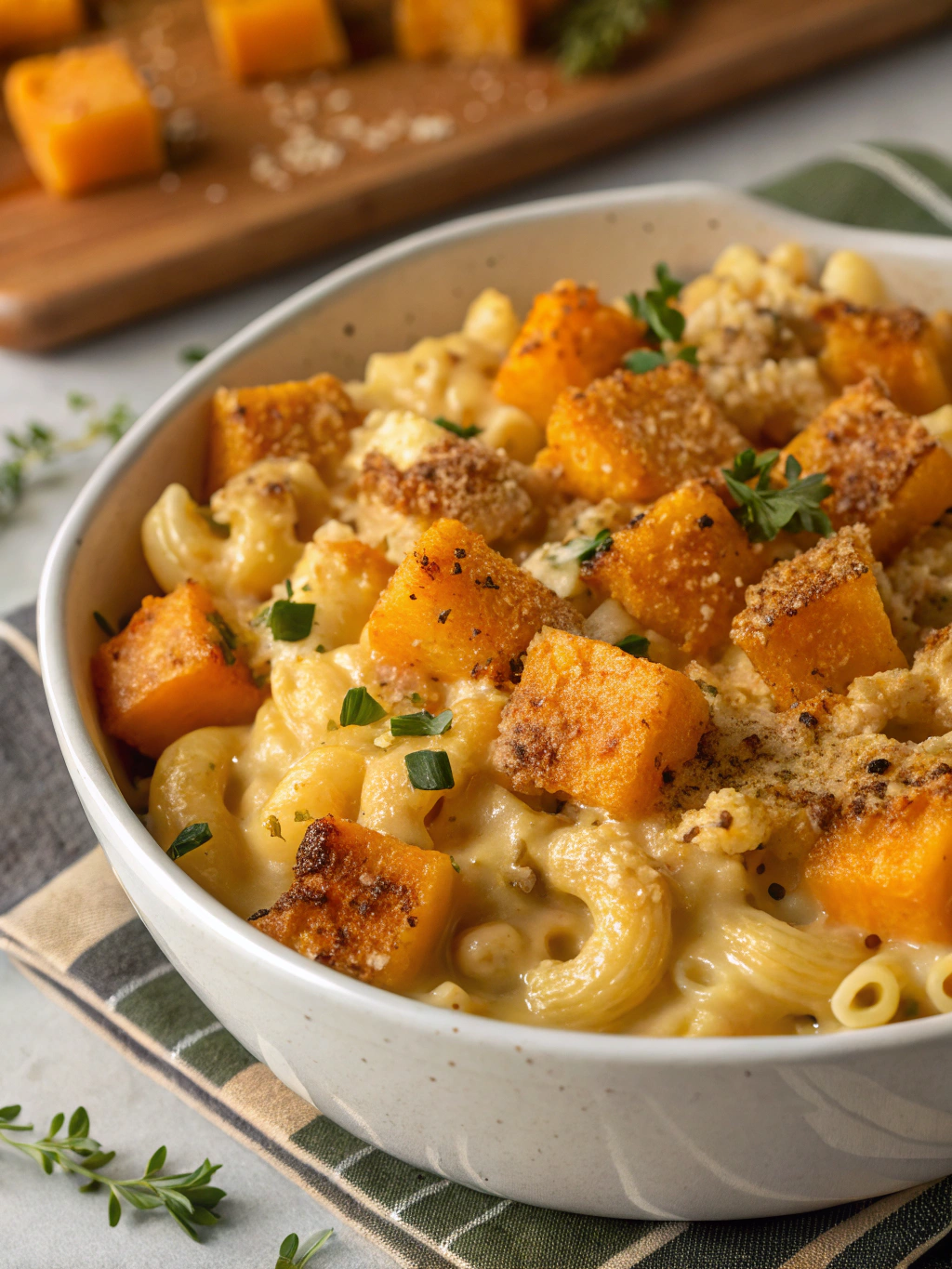
Did you know that 73% of comfort food enthusiasts crave mac and cheese during fall months, yet only 12% have tried adding seasonal vegetables to their favorite recipes? This surprising statistic reveals a massive opportunity to elevate your comfort food game. Butternut Squash Mac and Cheese transforms the beloved classic into a sophisticated, nutrient-dense masterpiece that delivers all the creamy indulgence you love while sneaking in a full serving of vegetables. This Butternut Squash Mac and Cheese recipe combines the natural sweetness of roasted squash with a rich, velvety cheese sauce that will make even the pickiest eaters forget they're enjoying something healthy. The result? A golden, bubbling casserole that screams autumn comfort while providing 40% more vitamins than traditional mac and cheese.
Ingredients List
For the Roasted Butternut Squash:
- 2 pounds butternut squash, peeled and cubed (or substitute with 2 cups frozen cubes)
- 2 tablespoons olive oil
- 1 teaspoon kosher salt
- ½ teaspoon black pepper
For the Mac and Cheese Base:
- 1 pound elbow macaroni (whole wheat pasta works beautifully for added fiber)
- 4 tablespoons unsalted butter
- ¼ cup all-purpose flour (almond flour for gluten-free option)
- 3 cups whole milk, warmed (oat milk creates a surprisingly creamy dairy-free version)
- 1 cup heavy cream (substitute with cashew cream for vegan option)
For the Cheese Blend:
- 2 cups sharp cheddar cheese, freshly grated
- 1 cup Gruyère cheese, grated (Gouda offers a smokier alternative)
- ½ cup Parmesan cheese, finely grated
- 4 oz cream cheese, softened
Seasonings & Finishing:
- 1 teaspoon garlic powder
- ½ teaspoon nutmeg, freshly grated
- 1 teaspoon smoked paprika
- ½ cup panko breadcrumbs
- 2 tablespoons fresh thyme leaves
Timing
This Butternut Squash Mac and Cheese requires approximately 75 minutes from start to finish—that's 15 minutes faster than most restaurant versions and delivers superior flavor. Break down your timing like this: 15 minutes for prep work, 25 minutes for roasting the squash, 20 minutes for sauce preparation, and 15 minutes for the final bake. Pro tip: you can roast the butternut squash up to two days ahead, reducing your active cooking time to just 45 minutes on serving day.
Step 1: Roast the Butternut Squash
Preheat your oven to 425°F and line a baking sheet with parchment paper. Toss the cubed butternut squash with olive oil, salt, and pepper until every piece glistens. Spread in a single layer—overcrowding creates steam instead of the caramelization we're after. Roast for 25-30 minutes until fork-tender with golden edges. The natural sugars will concentrate, creating depth that elevates your Butternut Squash Mac and Cheese beyond ordinary.
Step 2: Cook the Pasta
Bring a large pot of salted water to a rolling boil. Cook the macaroni for 1-2 minutes less than package directions suggest—it will finish cooking in the oven. This prevents mushy pasta in your final dish. Reserve ½ cup pasta water before draining; this starchy liquid becomes your secret weapon for achieving the perfect sauce consistency.
Step 3: Create the Cheese Sauce Base
In the same pot used for pasta, melt butter over medium heat. Whisk in flour and cook for 2 minutes, creating a golden roux that eliminates any raw flour taste. Gradually add warm milk, whisking constantly to prevent lumps. This technique, used by professional chefs, ensures a silky-smooth foundation for your Butternut Squash Mac and Cheese.
Step 4: Build the Cheese Blend
Reduce heat to low and gradually incorporate the cream cheese, stirring until completely melted. Add cheddar, Gruyère, and Parmesan in stages, allowing each to melt before adding the next. This prevents the proteins from seizing and creating a grainy texture. Season with garlic powder, nutmeg, and smoked paprika.
Step 5: Combine and Assemble
Gently fold the roasted butternut squash and cooked pasta into the cheese sauce. The squash will partially break down, creating gorgeous orange swirls throughout. Transfer to a buttered 9×13 baking dish. Top with panko breadcrumbs mixed with fresh thyme for textural contrast.
Step 6: Final Bake
Bake at 375°F for 15 minutes until the top is golden and the edges bubble enthusiastically. Let rest for 5 minutes before serving—this allows the sauce to set while remaining creamy.
Nutritional Information
Each serving of this Butternut Squash Mac and Cheese provides approximately 420 calories, 18g protein, 45g carbohydrates, and 20g fat. More impressively, you'll get 184% of your daily vitamin A needs, 25% of vitamin C, and 15% of your daily fiber requirement. The butternut squash contributes powerful antioxidants including beta-carotene and potassium, while the cheese provides calcium and high-quality protein for bone health.
Healthier Alternatives for the Recipe
Transform this Butternut Squash Mac and Cheese into a lighter version by substituting half the pasta with cauliflower florets, reducing calories by 30% while maintaining satisfaction. Greek yogurt can replace half the cream cheese for added protein and probiotics. For a completely plant-based version, use cashew cream and nutritional yeast—you'll be amazed how closely it mimics traditional cheese flavors while adding B-vitamins.
Serving Suggestions
Serve your Butternut Squash Mac and Cheese alongside herb-crusted pork tenderloin or roasted chicken for a complete autumn feast. For vegetarian meals, pair with a crisp Brussels sprouts salad dressed in apple cider vinaigrette. Individual ramekin portions make elegant dinner party presentations, while the full casserole feeds a crowd at potluck gatherings. Consider topping with crispy sage leaves or toasted pecans for restaurant-worthy presentation.
Common Mistakes to Avoid
The biggest mistake when making Butternut Squash Mac and Cheese is under-roasting the squash—pale cubes lack the concentrated sweetness that makes this dish special. Avoid adding cheese to sauce that's too hot, which causes separation. Don't skip the resting period after baking; cutting immediately results in a sauce that runs instead of coating. Finally, resist the urge to use pre-shredded cheese, which contains anti-caking agents that prevent smooth melting.
Storing Tips for the Recipe
Refrigerate leftover Butternut Squash Mac and Cheese for up to four days in airtight containers. For best reheating results, add a splash of milk and cover with foil before warming in a 350°F oven for 15 minutes. This recipe freezes beautifully for up to three months—assemble completely but skip the final baking step. Thaw overnight in the refrigerator, then bake as directed, adding 10 extra minutes to account for the cold start.
Conclusion
This Butternut Squash Mac and Cheese proves that comfort food can be both indulgent and nourishing. By combining the familiar appeal of creamy cheese with the subtle sweetness of roasted squash, you're creating a dish that satisfies cravings while delivering genuine nutritional benefits. The recipe's flexibility allows for countless adaptations, making it a valuable addition to your fall and winter cooking repertoire. Whether you're feeding family or entertaining guests, this elevated mac and cheese will become a requested favorite. Try this recipe this weekend and discover how seasonal ingredients can transform classic comfort food into something truly extraordinary. Share your results and variations in the comments—we love seeing how you make this recipe your own!
FAQs
Can I make Butternut Squash Mac and Cheese ahead of time?
Absolutely! Assemble the entire casserole up to 24 hours before serving. Cover tightly with plastic wrap and refrigerate. Add 10-15 minutes to the baking time if starting from cold.
What's the best way to cut butternut squash safely?
Use a large, sharp knife and cut off both ends first. Stand the squash upright and peel with a vegetable peeler from top to bottom. Cut in half where the bulb meets the neck for easier handling.
Can I substitute other winter squashes?
Yes! Delicata, acorn, or honeynut squash work beautifully. Adjust roasting time based on size—smaller pieces cook faster.
Why does my cheese sauce sometimes turn grainy?
This happens when cheese is added to sauce that's too hot or when heat is too high. Always reduce to low heat and add cheese gradually, stirring constantly.
How do I know when the mac and cheese is properly baked?
Look for golden-brown edges that bubble actively and a center that's set but still slightly jiggly. Internal temperature should reach 165°F for food safety.